

Structural Design Consultancy
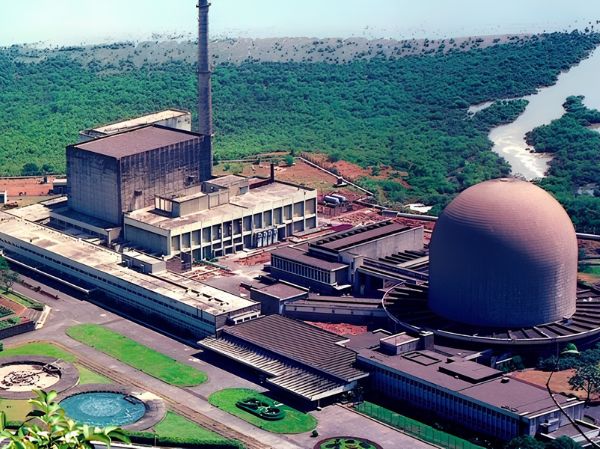
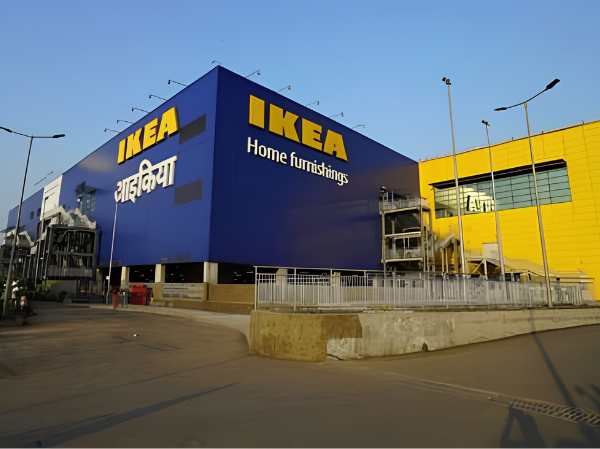
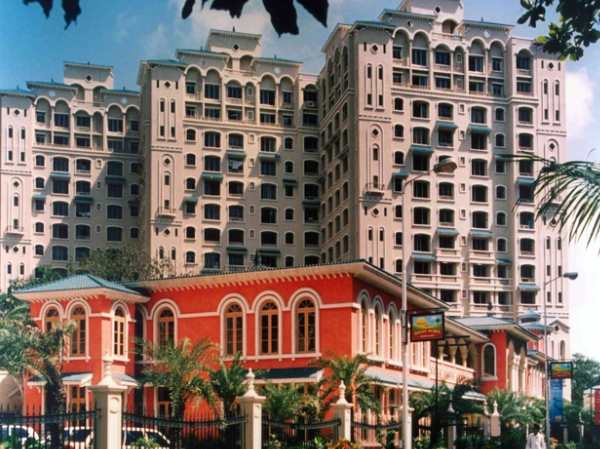
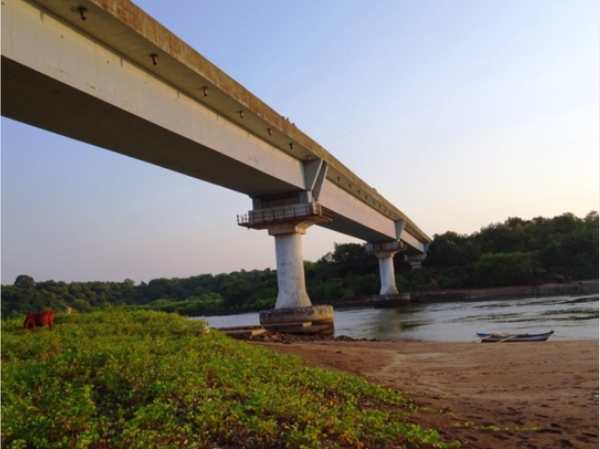
Epicons Consultants provides advanced structural design solutions for high-rise structures exceeding 180 meters, commercial buildings, IT parks, hotels, hospitals, and amusement parks. Our designs integrate functional efficiency, load optimization, and advanced engineering methodologies, ensuring safety, durability, and adaptability...
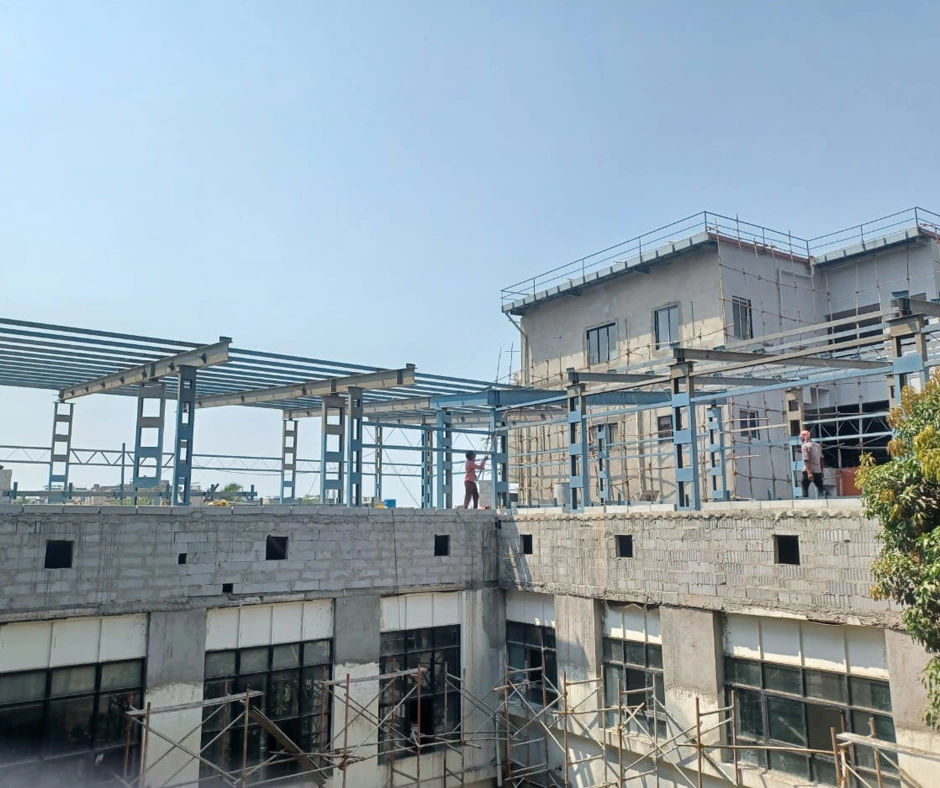
Project Management Consultancy (PMC)
Our PMC services extend comprehensive oversight across all phases of construction, acting as a dedicated partner to clients. We monitor quality, timelines, and compliance, coordinate between stakeholders, and implement practical, cost-effective solutions on-site, ensuring projects are delivered...

Structural Assessment and Non-Destructive Testing
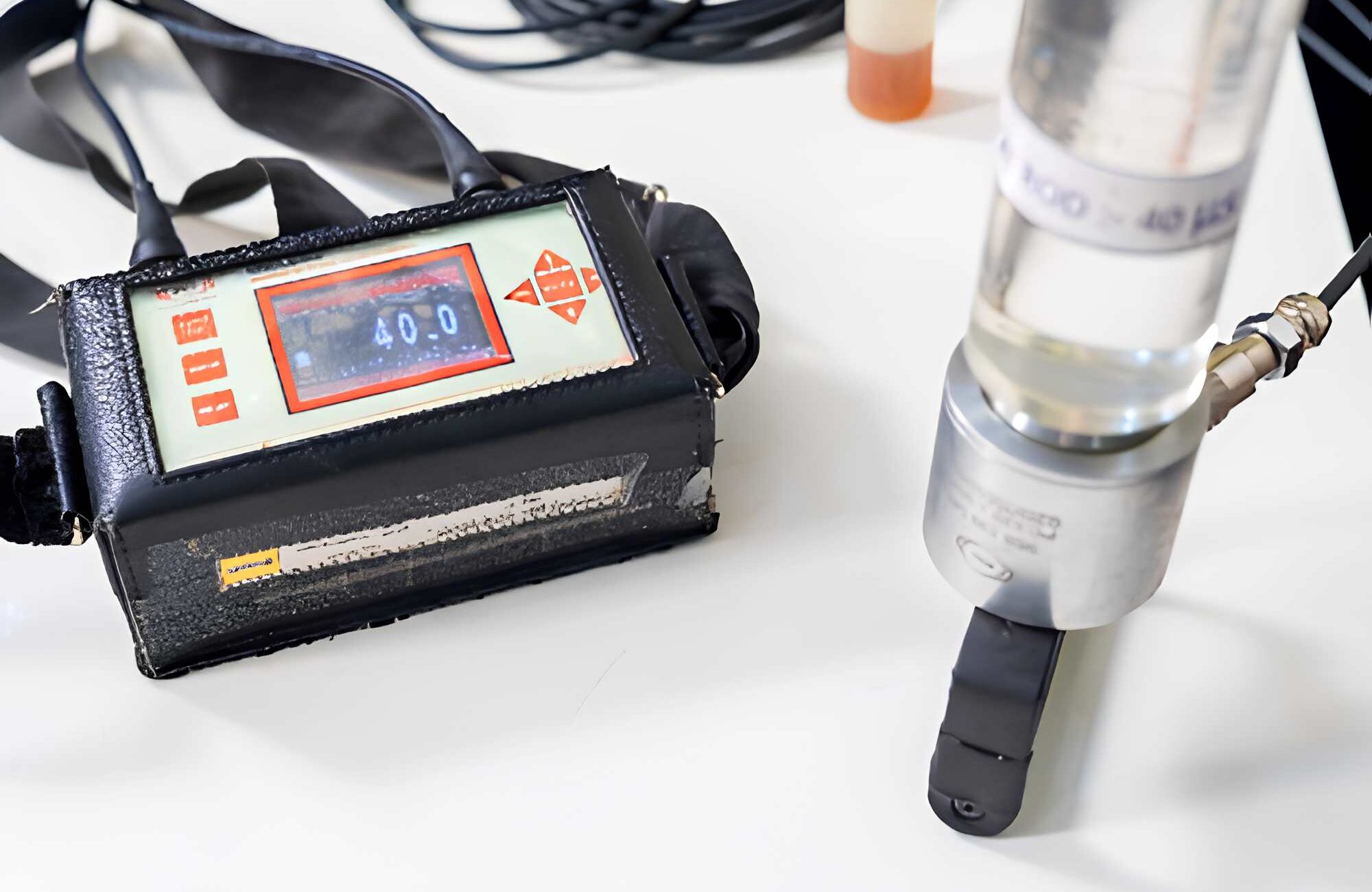
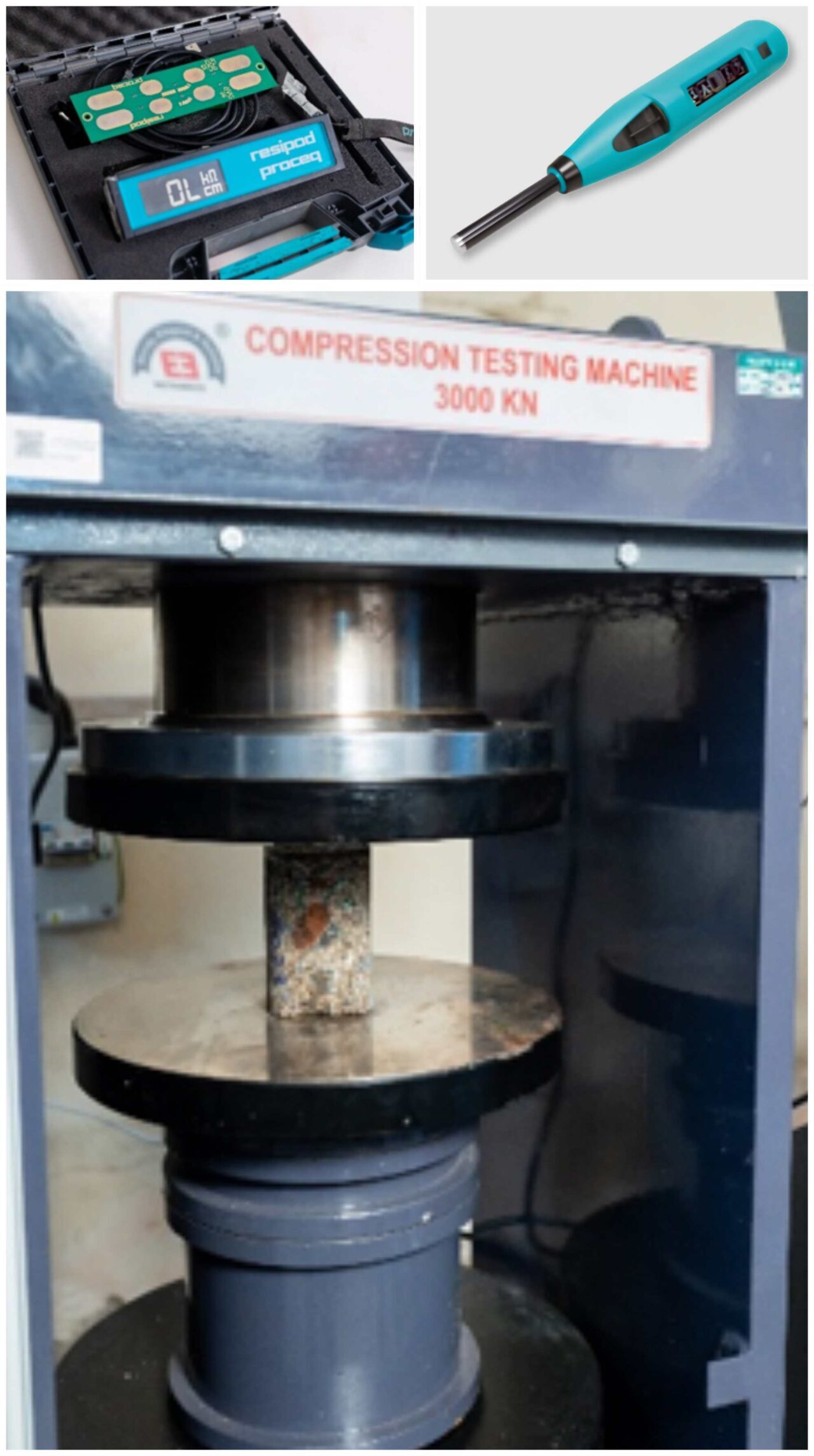
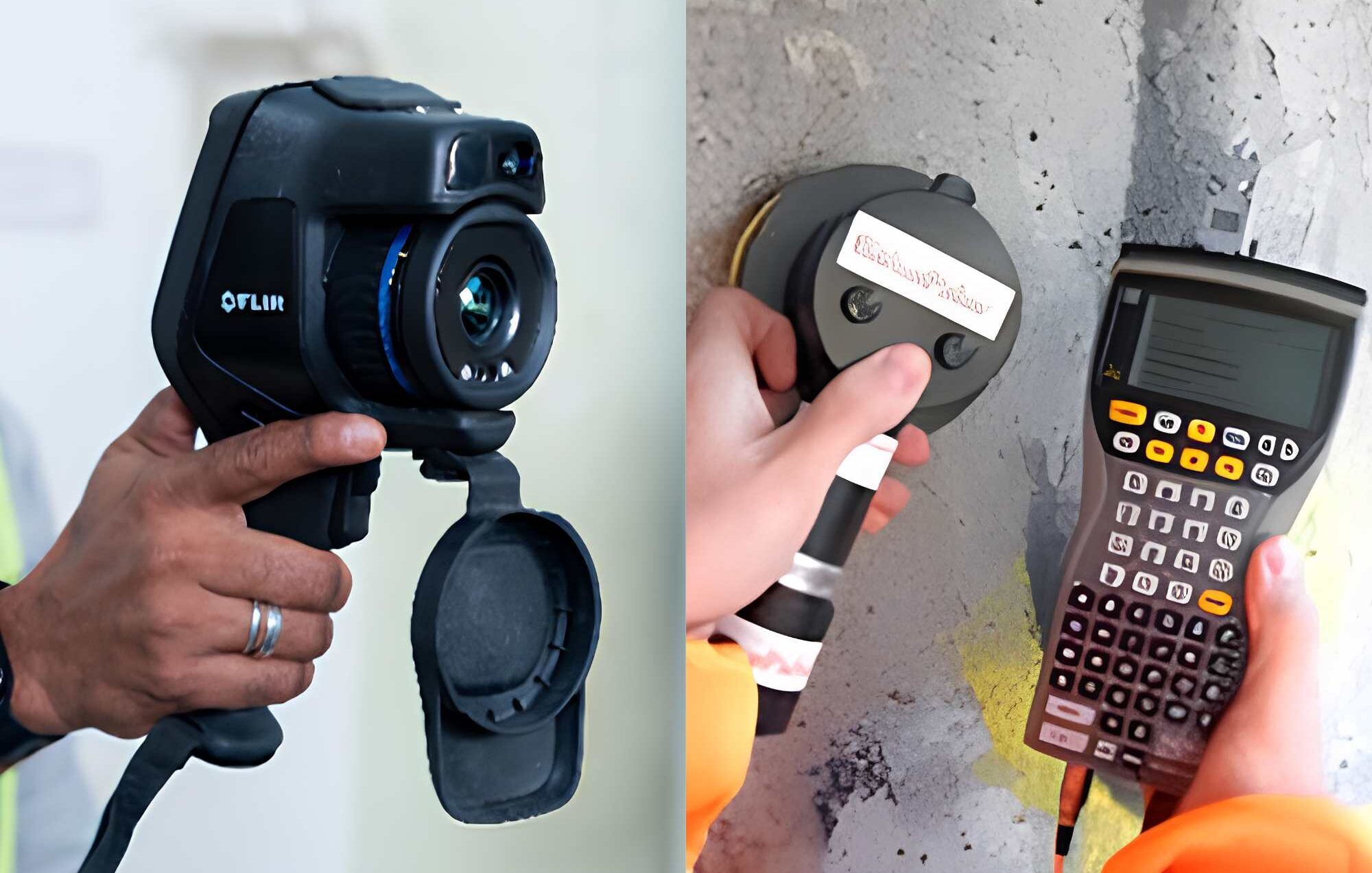
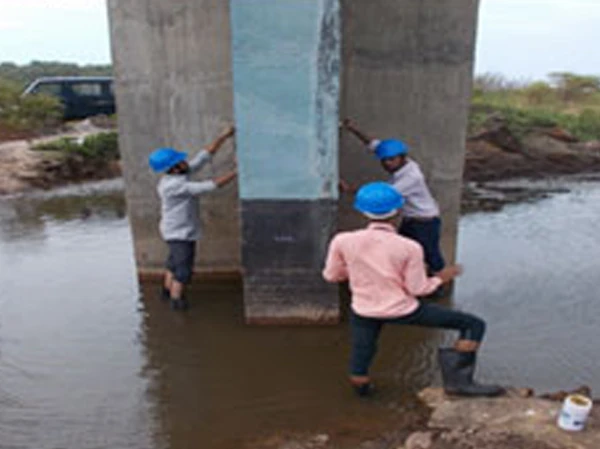
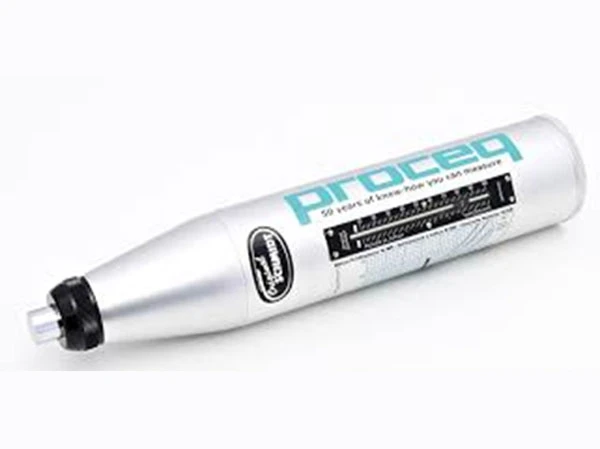
We deliver detailed structural assessments using advanced diagnostic techniques and non-destructive testing to identify root causes of structural distress. Our solutions are targeted, actionable, and designed to enhance safety, restore functionality, and extend the lifecycle of existing structures...
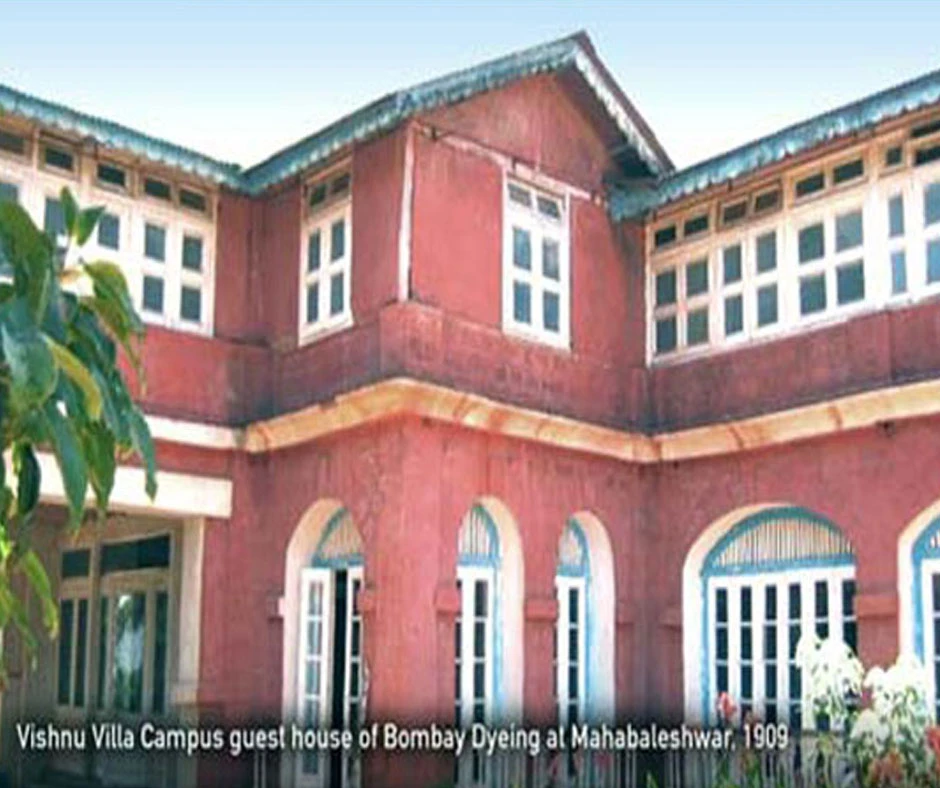
Conservation of Structures
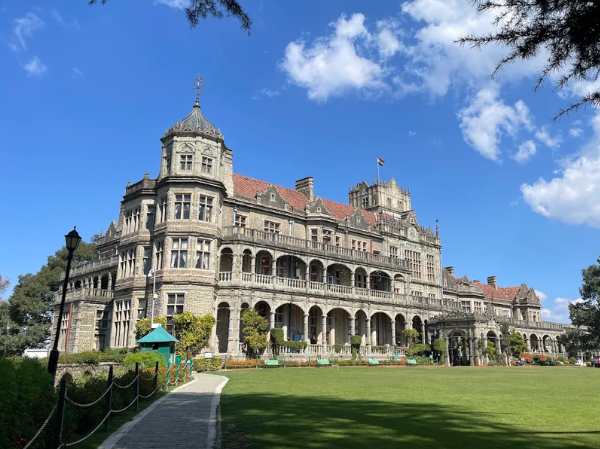
Built heritage holds technical, cultural, and structural value. Our conservation services focus on structural stability, material assessment, and sensitive restoration methods that retain original character while meeting present-day safety requirements. Read more to understand how engineering...
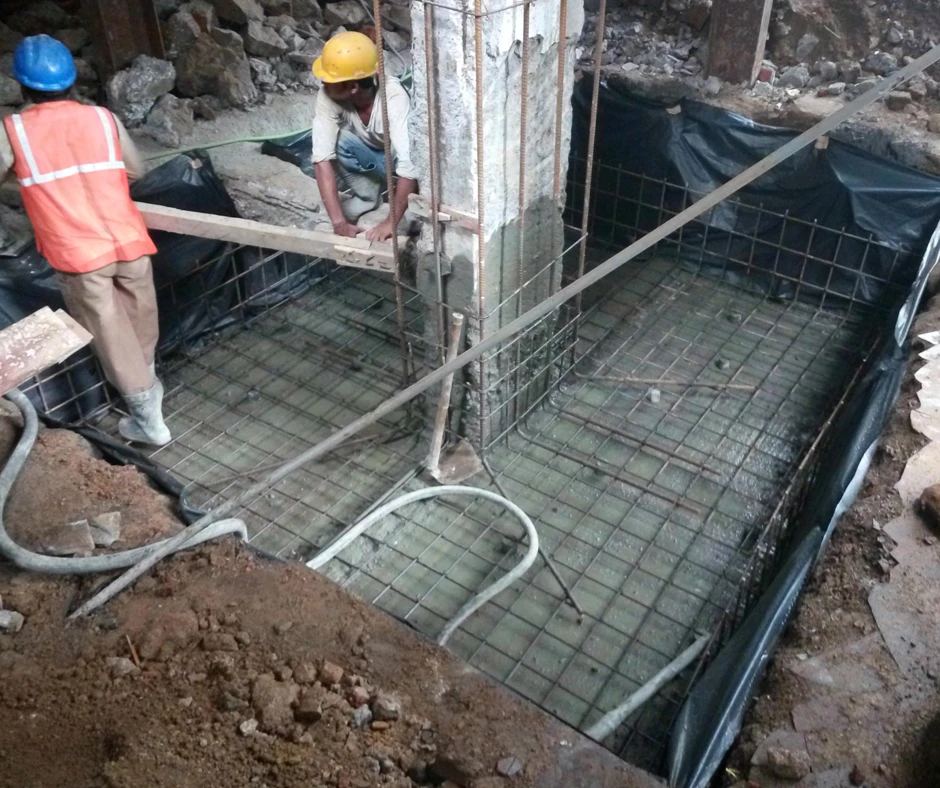
Rehabilitation Consultancy
Ageing and distressed structures demand structured evaluation and technically sound intervention. Our rehabilitation consultancy addresses structural performance, durability, and service life extension through engineered solutions aligned with current standards...
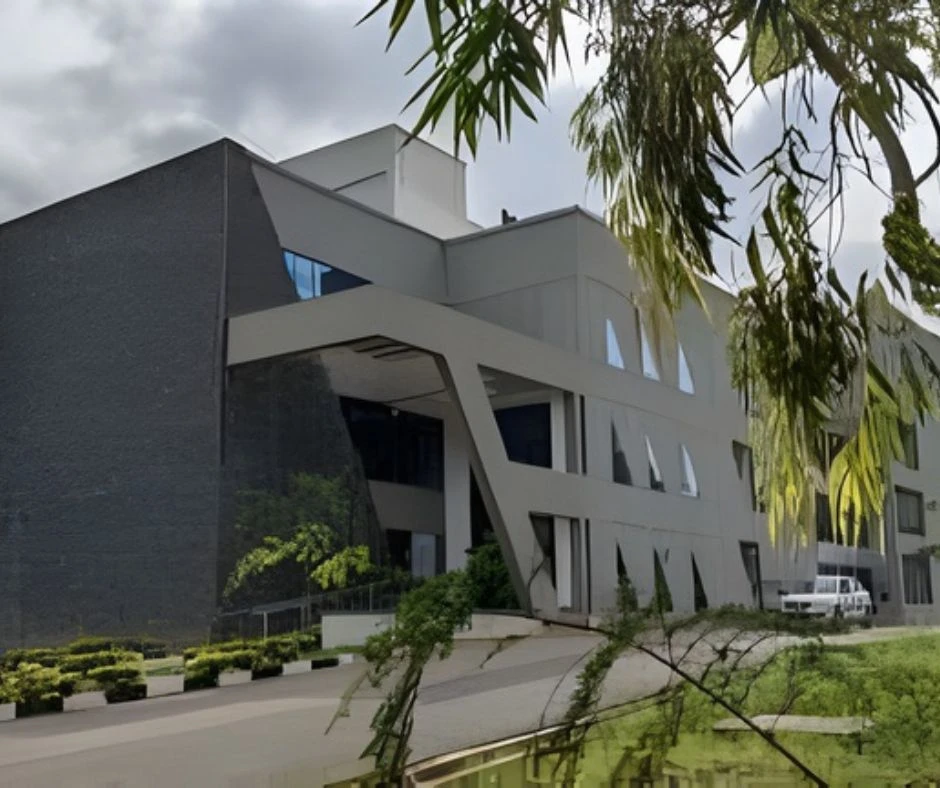
Architecture and Detailed Engineering
Epicons ensures a collaborative design approach that integrates structural engineering with architectural and environmental considerations. Our services optimize spatial functionality, material efficiency, and structural performance, producing spaces...

Infrastructure
Design
A multidisciplinary approach to design that aligns technical precision with project efficiency.
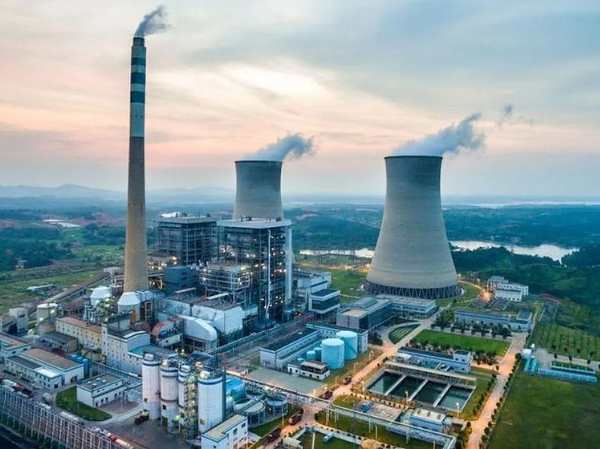
Our infrastructure solutions extend across transport, utilities, and industrial developments with proven expertise in structural consultancy...